



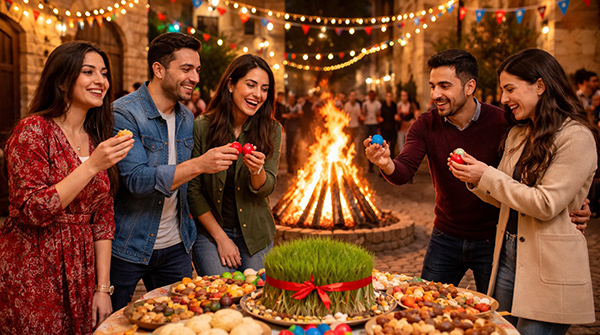
Introduction: The Spirit of Nowruz Celebration in Azerbaijan
The Nowruz celebration in Azerbaijan marks the arrival of spring and the beginning of a new year rooted in ancient traditions. Celebrated on the day of the spring equinox, Nowruz symbolizes renewal, rebirth, and harmony with nature. While it is observed in many countries, Azerbaijan has preserved some of the richest and most vibrant customs associated with this centuries-old festival.
Nowruz is more than just a holiday — it is a cultural identity deeply embedded in the history and daily life of the Azerbaijani people.
The Historical Roots of Nowruz
Nowruz dates back over 3,000 years and is closely associated with Zoroastrianism, one of the world’s oldest monotheistic religions. It originated in ancient Persia and spread across regions influenced by Persian culture.
The festival is linked to the spring equinox, when day and night are equal, symbolizing balance in nature. Over time, Nowruz evolved beyond religious boundaries and became a universal cultural celebration of life, renewal, and hope.
In 2010, Nowruz was officially recognized by UNESCO as an Intangible Cultural Heritage of Humanity, highlighting its global importance.
Countries That Celebrate Nowruz
Nowruz is celebrated by millions of people across different regions, including:
- Azerbaijan
- Iran
- Türkiye
- Kazakhstan
- Uzbekistan
- Kyrgyzstan
- Tajikistan
- Afghanistan
Although traditions vary, the central themes of renewal, family, and gratitude remain consistent across all cultures.
Nowruz in Azerbaijan: A Deep Cultural Experience
In Azerbaijan, Nowruz is one of the most important national holidays, celebrated with a unique blend of rituals, food, and community traditions.
The celebration begins weeks before the actual holiday, with four symbolic Tuesdays known as “Çərşənbə” (Charshanba), each representing one of the four elements: water, fire, wind, and earth. These weeks prepare people spiritually and physically for the new year.
Homes are thoroughly cleaned, symbolizing the removal of negativity and welcoming fresh beginnings. Families gather, reconnect, and prepare traditional dishes that have been passed down through generations.
Traditional Symbols and Customs
One of the most iconic symbols of Nowruz in Azerbaijan is the “Khoncha,” a decorated tray filled with symbolic items. At its center is “Semeni,” sprouted wheat representing life and fertility.
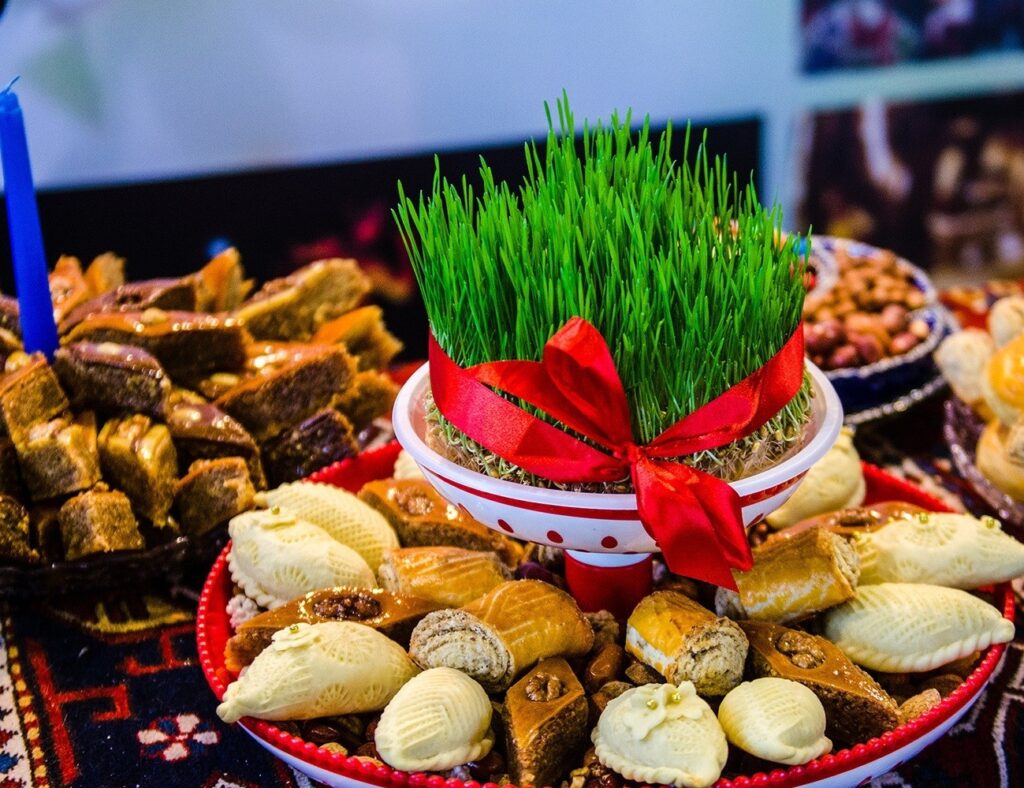
Candles are lit for each family member, symbolizing light and protection. Painted eggs represent diversity and new life, while sweets reflect the sweetness of the coming year.
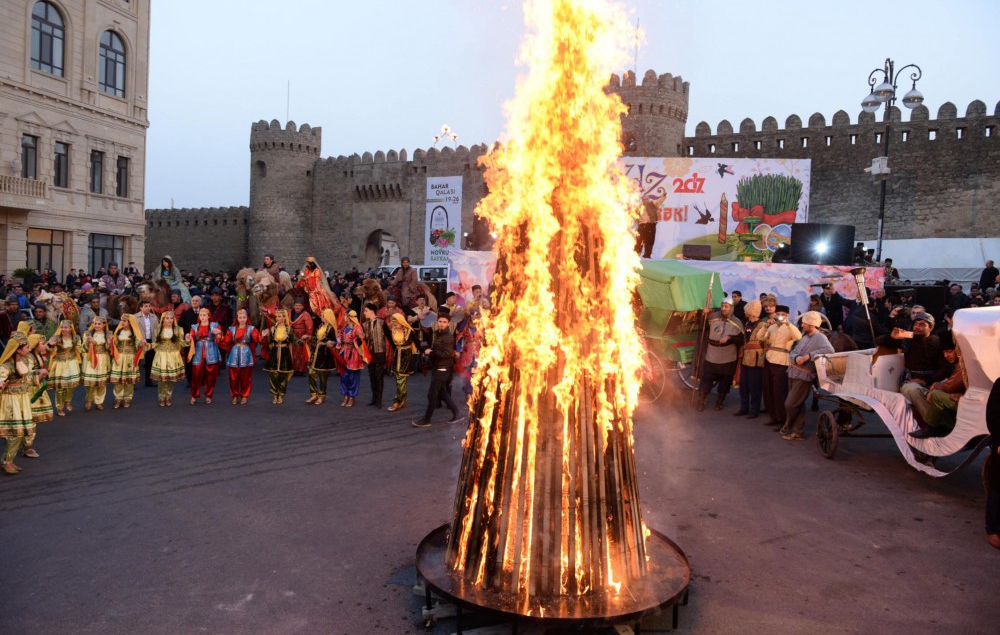
Another beloved tradition is jumping over bonfires, a ritual that symbolizes leaving behind past troubles and stepping into a purified future.
Festive Foods and Sweets
Food plays a central role in the Nowruz celebration in Azerbaijan. Traditional sweets such as shekerbura, pakhlava, and goghal are carefully prepared at home, often involving the entire family.
Each dish carries a symbolic meaning. For example, the layered structure of Pakhlava represents the complexity of life, while the sweetness reflects hope and joy.
Community, Family, and Joy
Nowruz is a time for visiting relatives, helping those in need, and strengthening social bonds. Children play traditional games, and characters like “Kosa” and “Kechal” entertain crowds with humorous performances.
Public celebrations include music, dancing, and cultural events that bring communities together. Streets and homes are filled with warmth, laughter, and a strong sense of unity.
Modern Relevance of Nowruz
Today, Nowruz continues to thrive as both a cultural and national celebration. In Azerbaijan, it is a public holiday that unites people across generations.
Despite modernization, the essence of Nowruz remains unchanged — a celebration of nature, renewal, and human connection. It also plays a role in promoting cultural tourism and preserving heritage in a rapidly changing world.
Read more culture articles in the Culture section of our website.