



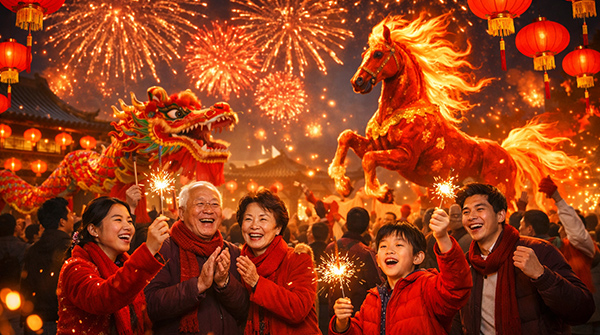
What is the Chinese New Year?
The Chinese New Year is the most important traditional festival in China and among Chinese communities worldwide. Also known as the Lunar New Year or Spring Festival, it marks the start of a new year based on the lunisolar calendar. Each year is associated with one of the 12 animals of the Chinese zodiac, shaping traditions and symbolism for millions of people.
History of the Chinese New Year
The origins of the Chinese New Year stretch back over 4,000 years. According to legend, an ancient beast named Nian would terrorize villages at the start of each year. Villagers discovered the monster feared loud noises, bright colors, and fire, which became the root of many modern customs like fireworks and red decorations.
Traditionally, communities celebrated the coming of spring — a time of renewal — with ceremonies to honor ancestors and welcome luck for the new year. Today, this ancient festival remains deeply rooted in cultural beliefs and family values.
Symbolism and Cultural Meaning
Chinese New Year is rich with symbols representing luck, wealth, health, and happiness:
- Red Decorations & Lanterns: Red is believed to ward off evil and draw in good fortune.
- Spring Couplets: Poetic red banners on doorways express wishes for prosperity.
- Red Envelopes (Hongbao): Money gifted to children and loved ones for good luck.
- Dragon & Lion Dances: Vibrant street performances symbolize strength and luck.
Traditions and Rituals
1. Reunion Dinner & New Year’s Eve
Families gather on New Year’s Eve for a lavish feast — the most important meal of the year. Traditional foods like dumplings, fish, and sticky rice cake (nian gao) symbolize wealth, abundance, and growth.
2. Fireworks & Firecrackers
Striking fireworks at midnight isn’t just a celebration — it’s believed to chase away evil spirits and welcome good fortune.
3. Staying Up (Shou Sui)
Families stay awake through New Year’s Eve together, a ritual called shousui, to “see off” the old year and welcome the new.
4. Visiting Relatives (Bainian)
After the new year begins, people visit family and friends to exchange greetings and well-wishes.
5. Lantern Festival
The celebrations end on the 15th day with the Lantern Festival, where communities light lanterns, solve riddles, and enjoy sweet rice balls (tangyuan) under the full moon.
Modern Chinese New Year Celebrations
In contemporary times, the Chinese New Year blends ancient rituals with modern life:
- Digital Red Envelopes: People now send electronic “hongbao” via apps like WeChat.
- Chunyun Travel Surge: Millions travel home for family reunions — considered the largest annual human migration on Earth.
- Spring Festival Gala: A hugely popular TV event watched by billions.
- Regional Variations: Customs differ — dumplings dominate northern feasts, while southern regions prefer rice cakes and lantern shows.
Global Influence
Today, Chinese New Year is celebrated far beyond China — from Singapore and Malaysia to the U.S. and Europe. Parades, dragon dances, and lantern festivals light up Chinatowns worldwide every year, reflecting the holiday’s growing global cultural footprint.
Conclusion
Chinese New Year is more than a festival — it’s a living tradition that bridges history, family, and contemporary life. Whether you’re watching lanterns glow, sharing a reunion meal, or exchanging red envelopes, this festival offers a beautiful reminder of fresh beginnings and cultural unity.
Celebrate the spirit of renewal, prosperity, and joy that the Chinese New Year brings.
For more interesting articles about history, culture, science, psychology, etc., visit the Interesting section.